
Years ago, I was working in central reliability improvement roles for some years. I was facilitating reliability-centred maintenance programs, preventative maintenance optimisation, root cause analysis training and all the improvement programs that should have been delivering better reliability.
After some time I wondered why, with all this improvement effort, our plant did not have continuous improvement in the reliability outcomes. When I went back to the sites, I kept seeing the same chronic failures. I looked at the work the reliability teams were doing and it was solid. Good projects, well executed and verified improvement. Where they focussed the problem would disappear.
However, when these chronic issues were solved, another would take its place and then a few years later, the original failure would return and the cycle would start again. However, by this time there was a new engineer in the role who did not realise it had been solved before.
At one site they had lots of problems with the lights on their truck fleet. They had decided to overcome it they would develop a bar that the lights could be mounted on and the who bar could be easily replaced as a single unit. However, the issue was that the wiring was in a bad condition, there were many different types of lights in use and their mounting was not reliable. The site had not asked themselves how did the lights across the fleet get to this condition. if they implemented the light bar idea these would also degrade over time and end in the same place.
The problem wasn’t the reliability improvement programs. The problem was the maintenance execution culture. The quality of the everyday work wasn’t consistent enough to sustain the improvements. Without changing the culture that allowed the equipment conditions to degrade in the first place then any improvement will eventually end in the same state.
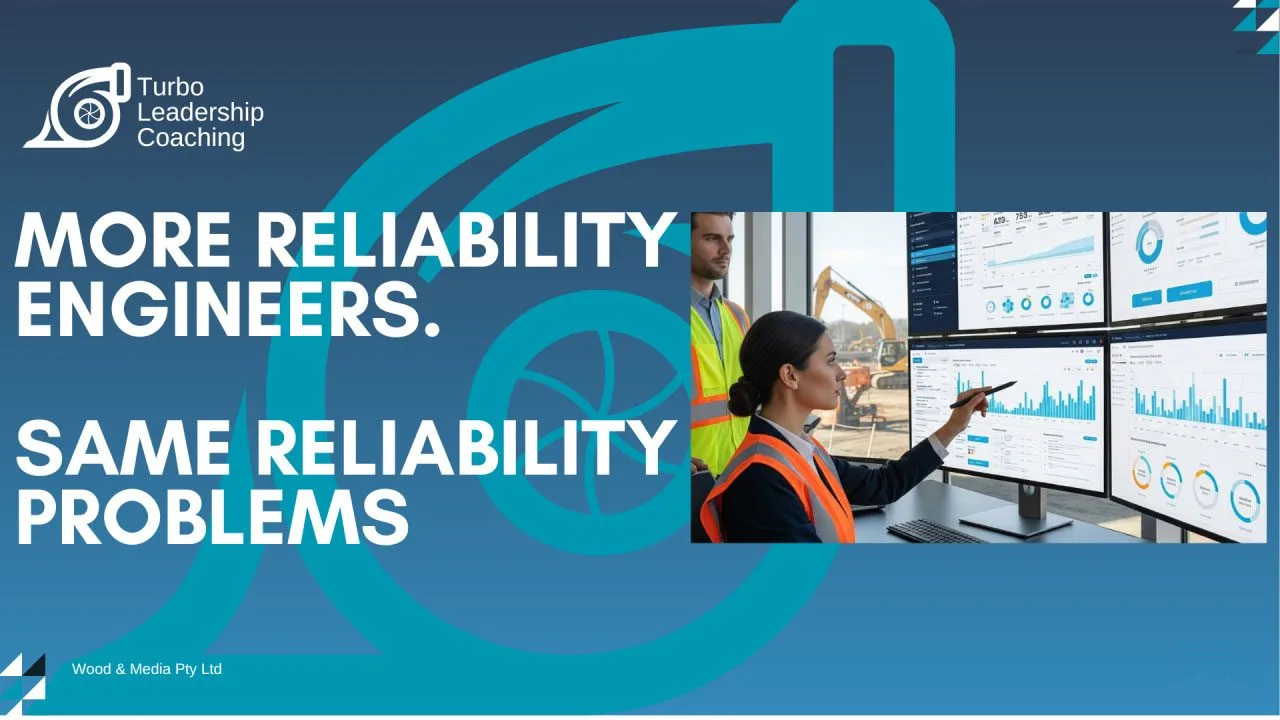
When reliability stalls, most organisations invest in another improvement initiative. They introduce more reliability engineers, more analysis, review the maintenance strategy and tactics, implement a new tablet based tool or technology. These things absolutely can add value but they cannot compensate for inconsistent maintenance execution.
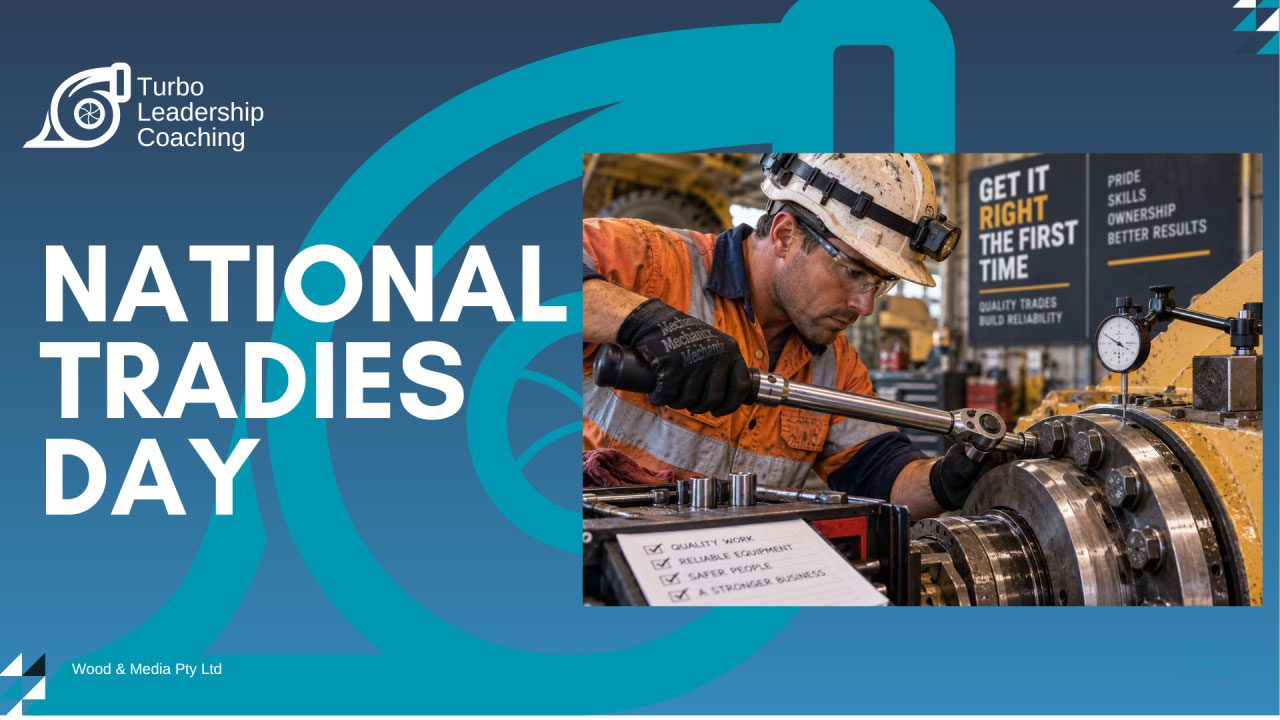
Before you can accelerate reliability improvement, you need a culture where quality work is the normal standard. Tradies need to see developing defects, leaders need to make quality visible, everyone needs to take ownership of the equipment.
That’s why I wrote Only Tradies Improve Reliability. I intended to write Accelerating Reliability Improvement but I realised that nothing would change without first fixing the trade culture. Without that foundation, reliability programs become a revolving door of solving the same problems again and again.
You cannot accelerate reliability until you first build an effective trades culture.
Culture isn’t a “soft” issue. It determines whether every improvement you make is sustained or quietly disappears over time.
Ask yourself one question:
What recurring failure would disappear if our maintenance execution quality became consistently excellent?
Check out my book “Only Tradies Improve Reliability” now available in audio book and purchase a copy for each leader and each tradie.