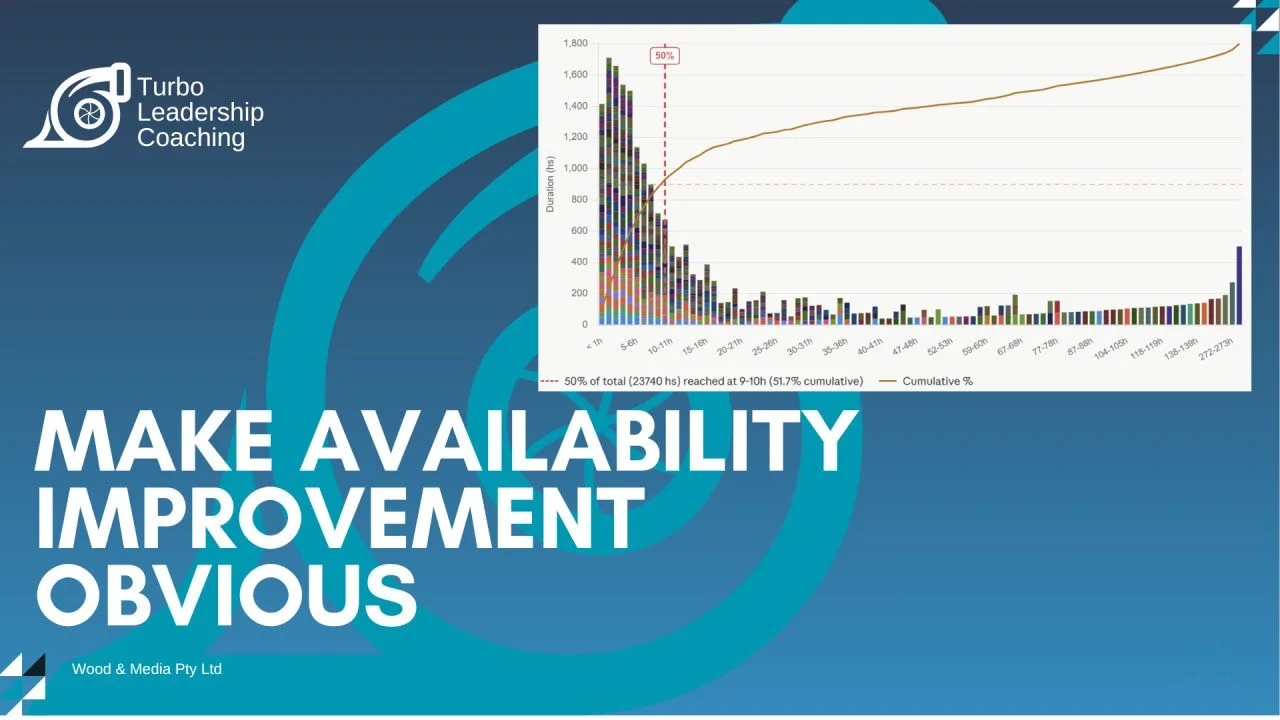

I cut my teeth in maintenance on electric draglines, shovels, and drills.
These machines were the primary production assets and the expectation was always clear:
That was simply considered normal. Later, when I moved into mobile equipment maintenance, I carried the same thinking with me. I assumed 90% is the minimum standard and for the fleets we managed, that’s where we kept them. However, as I started working across more operations, I noticed something that some sites were targeting 85% availability on mobile equipment fleets and often struggling to achieve that and they considered it acceptable performance.
That got me thinking:
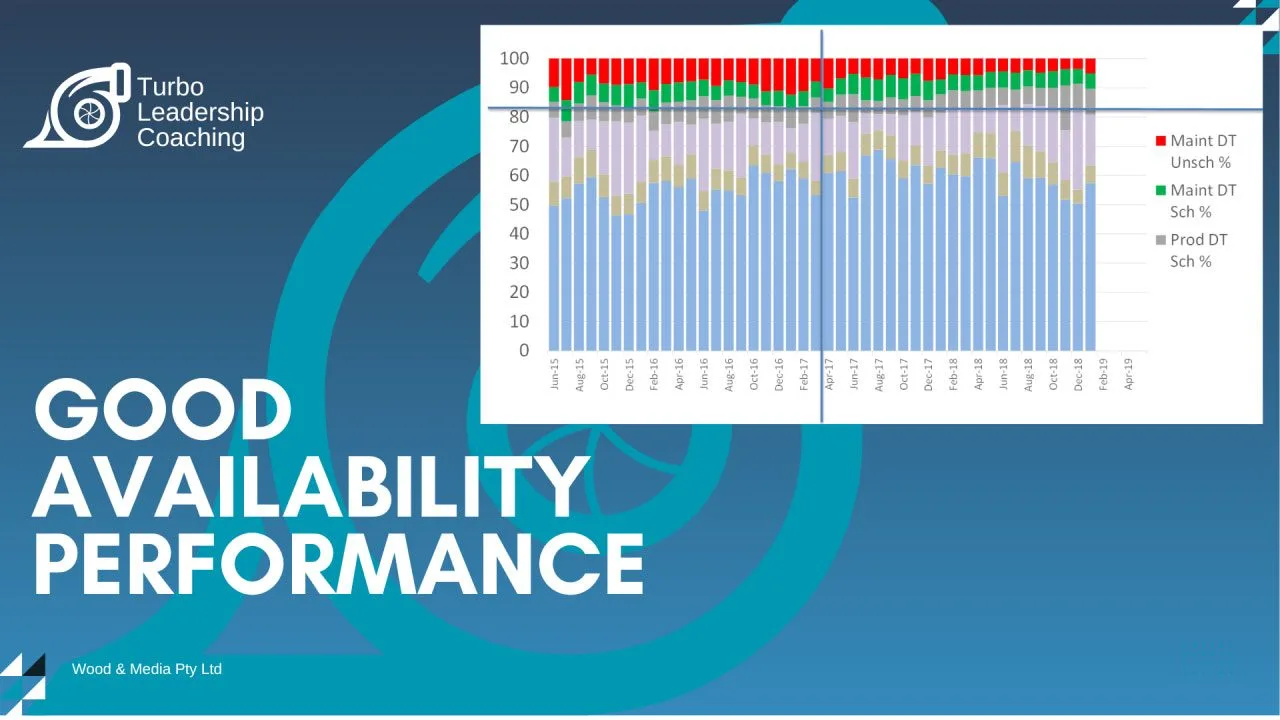
What actually defines good availability performance?
Because clearly, the answer isn’t the same for every operation.
A lot of operations set availability targets based on:
The danger is that low expectations slowly become normalised and once that happens:
Eventually the target stops driving improvement and simply becomes a reflection of current performance.
Good availability targets should reflect:
In my experience, good calendar availability targets are roughly:
Importantly, these numbers should always be calendar availability. Not “mechanical” availability or another manipulation excluding inconvenient downtime. Calendar availability keeps everyone honest because it reflects the true ability of the operation to keep equipment available for production, and that is what matters for the business bottom line.
Availability targets shape behaviour.
If the target is too low:
Strong operations expect high availability because they know it is achievable by just getting the basics right and it drives business outcomes.
They also know that higher availability is not achieved by reducing the scheduled downtime. We will discuss next week about a structured process to achieve good performance availability but for this week reflect on your targets and outcomes. Maybe even challenge your thoughts on what is possible.
Review the availability targets used in your operation and ask:
Then compare your targets against:
Most importantly, make sure your operation is measuring calendar availability and that you are not mentally making excuses for under performance by blaming the equipment, operations, supply or the OEM.