
Years ago I was on a site where a conveyor drive motor failed. The motor itself was a relatively straightforward replacement job but while preparing for the changeout, the team also noticed that the gearbox and coupling connected to the motor had been weeping oil for a long time and the oil was all around the gear box.
The team decided that, while they were there, they should replace the gearbox and coupling as well. At one level, I understood the thinking, it probably felt irresponsible to install a new motor onto a gearbox and coupling that were already in poor condition. However, the decision completely changed the nature of the job.
What should have been a relatively simple motor replacement suddenly became:
- A much larger scope of work
- More labour intensive
- More complex
- And far more difficult to execute under pressure
As it turned out, the spare gearbox was not exactly the same as the original. Adjustments were required to get the alignment correct and specialist contractors had to be brought in to complete that work. The duration of the downtime blew out significantly and suddenly everyone was under pressure to get the conveyor running again.
What struck me afterwards was this. If the gearbox had been weeping oil for such a long time already… Why did we suddenly decide to tackle it reactively and under production pressure instead of planning and scheduling the work properly months prior?
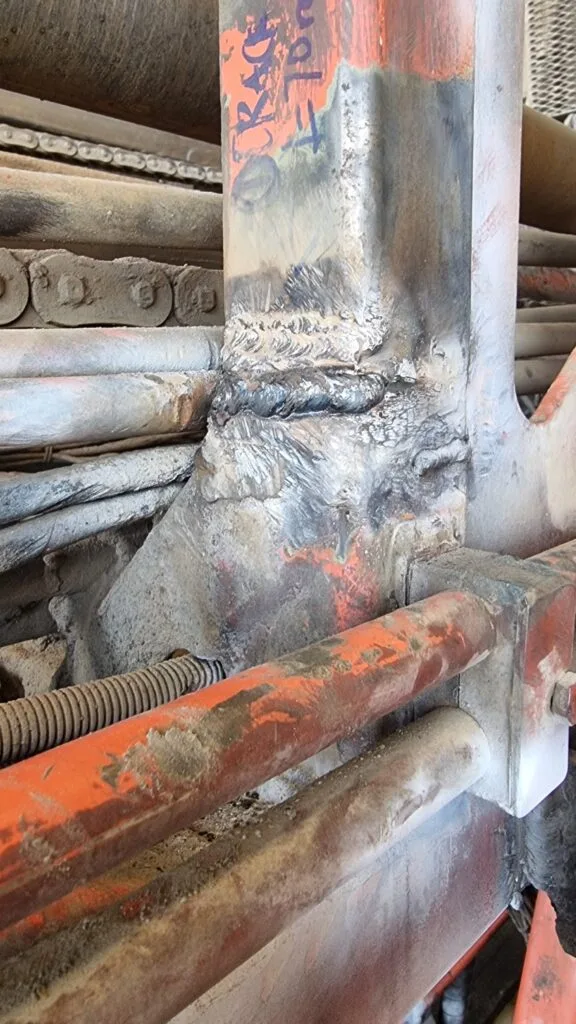
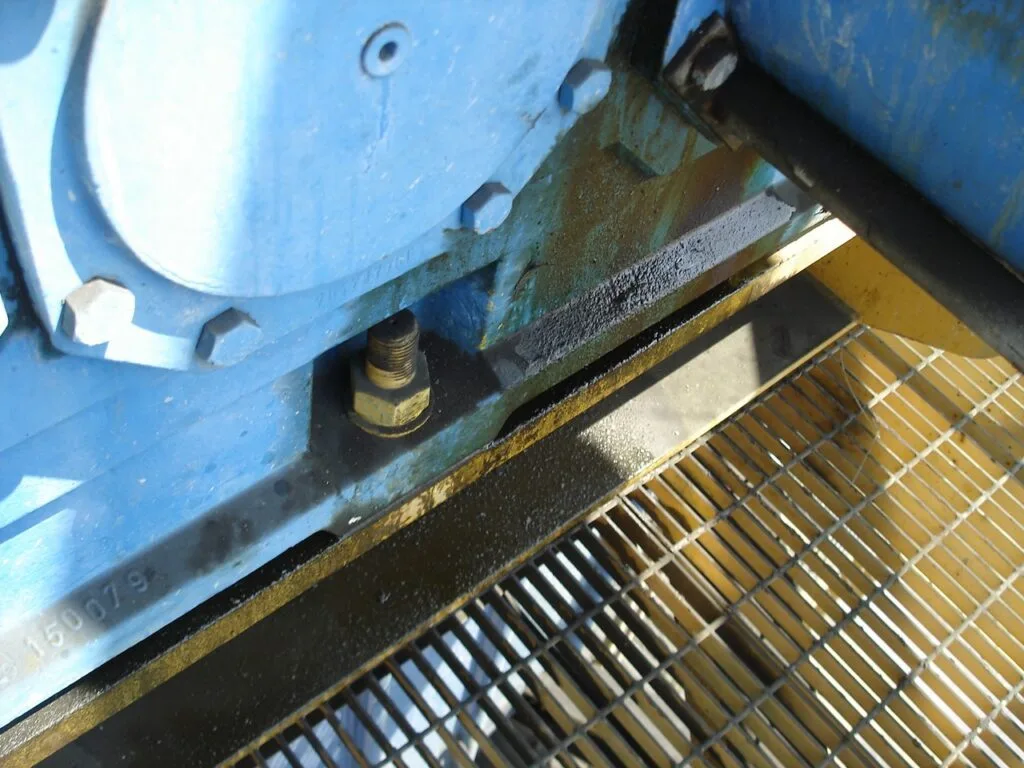
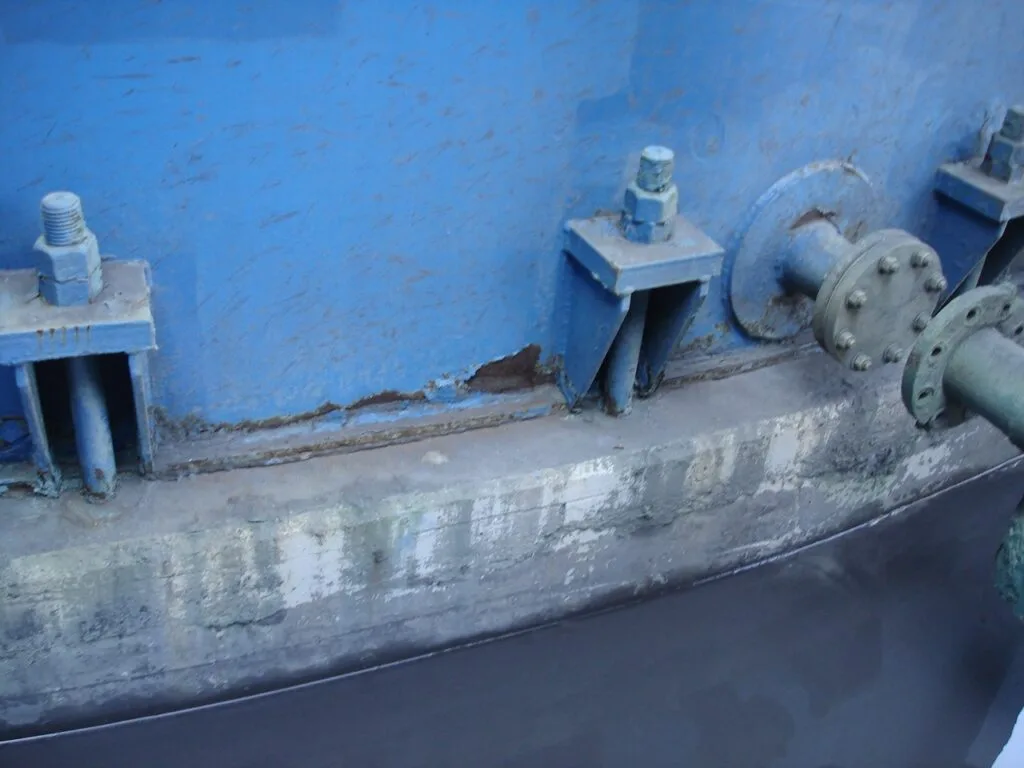
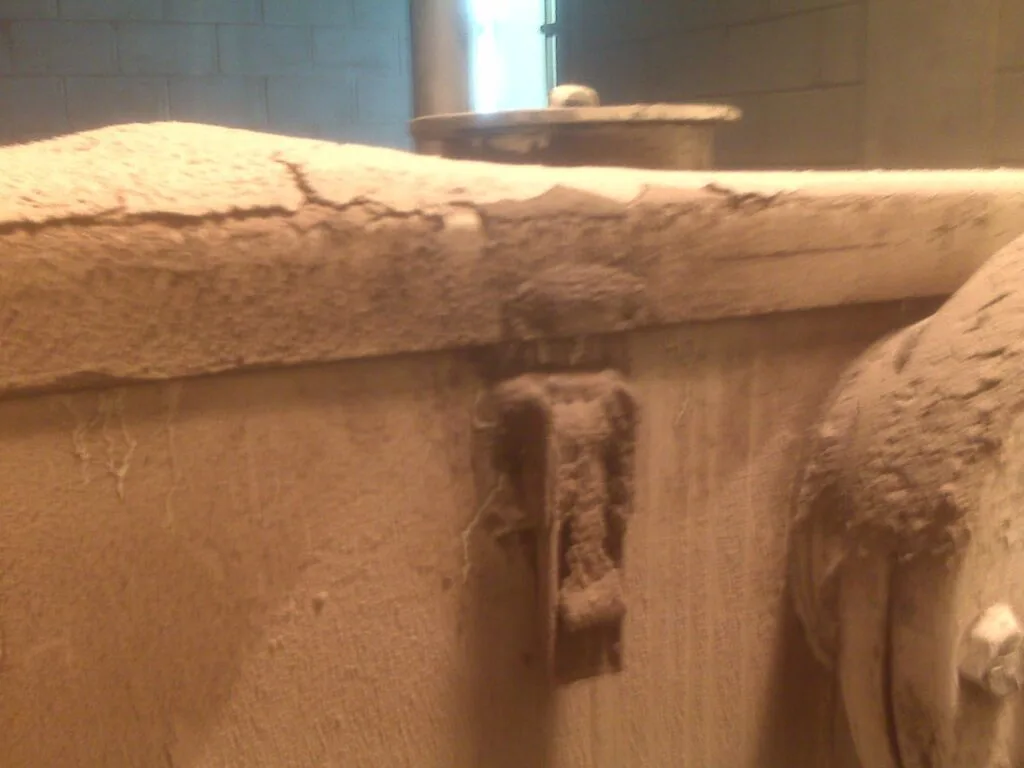
That question stayed with me because it made me think about all the other conditions that slowly become accepted around sites. Oil leaks, poor greasing, loose or missing bolts, temporary repairs, supports hanging loose, welds that repeatedly crack, dirty breathers, build-up around critical components, missing bolts…….. The list goes on forever.
When I walk around a site, these things jump out at me. Maybe I’m a bit of a maintenance nerd but I often wonder: How many other people see these conditions every day… and just accept them as normal?
Why Does it Happen?
Most poor conditions don’t suddenly appear, they slowly become normalised. People walk past them often enough that they stop noticing them and because the plant keeps operating:
- The urgency disappears
- The defect loses visibility
- The condition becomes “manageable”
Until eventually the organisation adapts to the defect instead of eliminating it.
Then one day:
- The component fails
- The downtime escalates
- The work becomes reactive
- And everyone is surprised by the consequence of something that had been visible for months
How To Change?
Strong reliability cultures make poor conditions visible. Not hidden, not tolerated, not normalised. One of the best methods I have used is to list the tolerable defects on the shift start board and talk about them each day. Reminding everyone what we are doing to manage it through to the next scheduled service, how frequently we are checking on it, and under what criteria would it become necessary to action as an unscheduled task.
The best performing sites create an environment where people to truly see the condition of the plant.
Clear Principle
Poor conditions that are repeatedly walked past eventually become accepted as normal and once they become normal, failures become inevitable.
What conditions in your operation have become so normal that people no longer even question them?